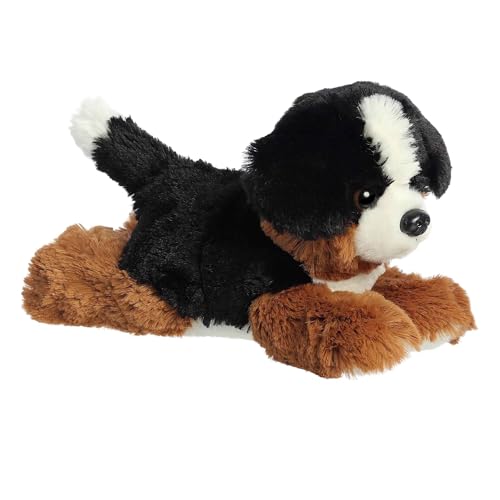
The Science of Comfort: Why 2-Year-Olds Need a Reliable Cuddle Companion
During the "terrible twos," toddlers frequently oscillate between demanding full independence and clinging tightly to caregivers. Child psychologists classify favorite plushies as "transitional objects"—tangible physical items that represent the safety and warmth of home when navigating stressful situations.
1. Easing Separation Anxiety & Daycare Drop-Offs
Holding a familiar plush toy lowers cortisol spikes during morning daycare drop-offs, car seat rides, and doctor visits. The tactile sensation provides immediate reassurance, giving toddlers the courage to explore unfamiliar spaces independently.
2. Nighttime Sleep Transitions & Bedtime Routines
Transitioning to solo sleep in a toddler bed is a primary trigger for evening bedtime battles. Pairing a beloved cuddle buddy with a consistent, calming bedtime story creates a positive sensory cue that signals it is safe to sleep.
📖 Bedtime Bonding Strategy: Elevate Storytime into Early Reading Success
Cuddling with a favorite plush while listening to stories is the single best moment to nurture a child's natural language and reading curiosity. Using short, engaging phonics-based story sessions turns nighttime winding-down into an effortless learning routine.
Build your toddler's foundational vocabulary and love for books with the Reading Head Start Program, a gentle, parent-led reading method created to give toddlers early literacy confidence in just a few minutes each evening.
3. Safety & Hygiene Standards for 2-Year-Olds
Two-year-olds still explore items with their mouths and drag favorites across playgrounds. Always choose plush toys with stitched embroidered eyes rather than plastic beads, reinforced seams, and 100% machine-washable hypoallergenic fabrics.
Editor’s Practical Parenting Note: The "Duplicate Lovey" Rule: The moment your 2-year-old forms an intense attachment to a specific stuffed animal or blanket, immediately buy an exact duplicate. Rotate them evenly in the laundry wash cycle so both wear and smell identical. If the primary buddy gets lost at the park, having an identical backup prevents devastating bedtime sleep regressions.
For more calming play strategies, explore our sister hubs on kids musical instruments, tactile building blocks, and imaginative toddler play kitchens, or return to the main toddler toys collection.
Frequently Asked Questions About Toddler Comfort Toys
Is it healthy for a 2-year-old to be deeply attached to a stuffed animal?
Yes. Deep attachment to a comfort object is a healthy sign of emotional development. It demonstrates that the toddler is learning self-soothing skills and healthy emotional coping mechanisms.
How often should I wash my toddler's cuddle buddy?
Wash comfort toys once every one to two weeks on a gentle, fragrance-free cycle. Air-dry thoroughly to preserve fabric softness and prevent internal mold buildup.
What should I avoid when choosing a comfort toy for a 2-year-old?
Avoid toys with long loose ribbons, glued plastic buttons, internal battery packs that cannot be removed before washing, or long faux fur that can shed into a toddler's mouth.