Choosing the Right Play Tools for the "Terrible Twos" Milestone
At age two, cognitive development undergoes a rapid transformation. Toddlers shift from simple cause-and-effect toys (like pressing a single button to make a light flash) to complex constructive play that demands focus and physical coordination.
1. Constructive & Stacking Play
Stacking towers and fitting geometric pieces together teach resilience. When a tower falls, toddlers learn cause and effect while developing fine motor control. Explore our curated sets of building blocks for little builders to encourage spatial reasoning.
2. Imaginative & Dramatic Pretend Play
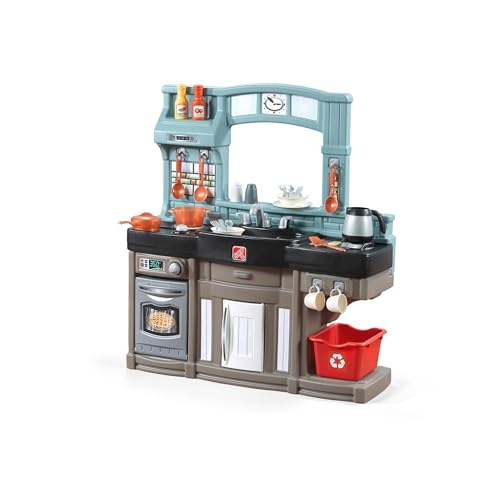
Two-year-olds learn by imitating their caregivers. Supplying mini cooking utensils and play kitchens gives children a safe environment to practice expressive vocabulary, narrative storytelling, and cooperative sharing.
3. Sensory Calming & Tactile Regulation
Sensory overload is the leading trigger for afternoon tantrums. Having soft, huggable cuddle buddies and textured toys gives children a safe tactile anchor when transitioning to quiet time or winding down before bed.
4. Rhythmic & Auditory Outlets
When physical restlessness peaks, simple musical instruments like shakers, drums, and xylophones provide a positive acoustic release that strengthens gross motor rhythm without creating household chaos.
Editor’s Practical Parenting Note: The 4-Bin Rotation System: Having too many toys out simultaneously creates visual clutter that overwhelms a 2-year-old’s attention span, directly increasing whining and meltdowns. Divide your toddler's toys into four separate plastic bins and keep only one bin accessible per week. Rotating the bins every Sunday revives excitement, deepens focus, and makes cleanup manageable.
For more home engagement strategies, review our dedicated guide on interactive Montessori activity tables or learn how to safeguard active play with our toddler safety essentials.
Frequently Asked Questions About 2-Year-Old Toys
Why are open-ended toys better than battery-operated toys for 2-year-olds?
Open-ended toys (such as blocks, play food, and simple instruments) require active cognitive engagement from the child. Flashing electronic toys turn toddlers into passive observers, which often leads to rapid boredom and overstimulation tantrums.
How do I check if a toy is a choking hazard for a two-year-old?
Use the simple toilet paper roll test. If any toy or detachable part fits entirely inside the cardboard tube of a toilet paper roll, it is small enough to pose a choking hazard and should be kept out of reach.
How many toys should a 2-year-old have access to at one time?
Limiting available toys to 6 to 8 engaging items at a time promotes longer attention spans, higher creativity, and significantly less resistance when it is time to clean up.