Upgrading from Baby Proofing to Toddler Proofing: High-Risk Zones
At 24 months, toddlers possess the physical strength to pull open heavy drawers, the height to reach countertop ledges, and the curiosity to test every boundary. Adjusting your safety strategy from passive crawling defense to active toddler protection keeps daily exploration safe.
1. Heavy Furniture & Anti-Tip Wall Anchors
Two-year-olds frequently use open dresser drawers as stairs to climb toward toys resting on top surfaces. Securing all bookcases, TV stands, and bedroom dressers directly into wall studs with steel aircraft cables is the single most critical safety installation in any home with a toddler.
2. Low-Profile Furniture Edge & Corner Bumpers
As toddlers run indoors, sudden loss of balance frequently leads to head impacts against blunt furniture edges. High-tack silicone corner protectors cushion sharp impacts around glass coffee tables, kitchen islands, and low wooden bedframes.
3. Upgraded Electrical Socket Protection
Simple plastic plug-in caps are easily pried out by inquisitive 2-year-old fingernails, presenting both a shock risk and a choking hazard. Upgrading to full screw-in faceplates or sliding outlet covers completely encloses live terminals behind self-closing mechanical springs.
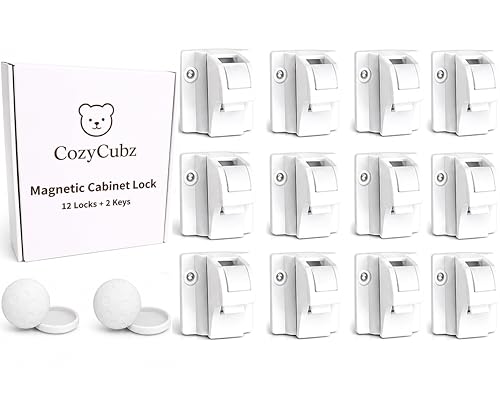
4. Magnetic Cabinet Latches & Drawer Locks
Toddlers quickly master standard plastic pinch-latches through observation. Invisible magnetic locks, found in our complete safe home kits, require a magnetic key placed out of reach, completely blocking access to household cleaning chemicals and sharp utensils.
Editor’s Practical Parenting Note: The "Toddler Eye-Level" Audit: Get down on your hands and knees in every room your toddler accesses. At 30 inches off the floor, you will instantly notice hazards invisible from standing height: dangling blind cords, loose charging cables under end tables, and sharp underside hardware. Conduct this 10-minute crawl audit once every three months as your child grows.
To create engaging, safe zones for your child to explore independently, pair your childproofed spaces with sturdy Montessori activity tables and dedicated toddler feeding gear, or return to the main Terrible Twos survival homepage.
Frequently Asked Questions About Toddler Safety & Childproofing
What height safety gate is required for a 2-year-old?
Choose an extra-tall safety gate measuring at least 36 to 38 inches high. Standard 28-inch infant gates can become tipping hazards if a tall, agile 2-year-old attempts to climb over the top rail.
How do I remove adhesive corner guards without damaging wood furniture?
Warm the adhesive tape with a standard hair dryer on medium heat for 60 seconds to soften the glue bond. Gently roll the guard off the edge and wipe away remaining residue with a drop of mineral oil or dish soap.
Should hardware-mounted or pressure-mounted gates be used at stairs?
Always use hardware-mounted safety gates screwed directly into wall studs at the top of any staircase. Pressure-mounted gates can slip when pushed with a toddler's full body weight and should be used only on flat, ground-level doorways.