Choosing the Best Flash Cards for 2-Year-Olds: Durability & Active Learning
At age two, cognitive processing thrives on tangible categorization. Introducing well-designed flashcard decks bridges physical play with language fluency, keeping learning lighthearted and engaging.
1. Real-World Photography vs. Stylized Cartoons
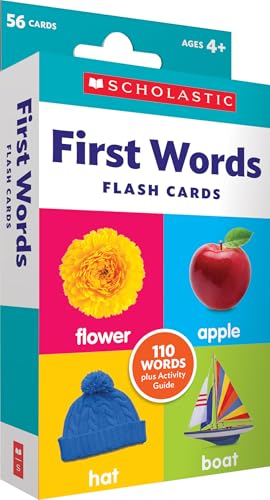
Two-year-olds learn best when images match their physical reality. Choosing flashcards featuring real photographs of animals, fruits, and vehicles, rather than abstract cartoons, helps toddlers accurately identify those items in the real world.
2. Chew-Proof Lamination & Secure Ring Binders
Toddlers frequently bend, chew, and step on cards during enthusiastic play. Look for extra-thick cardboard with splash-proof lamination and rounded safety corners. Sets secured by removable plastic binder rings keep cards organized on the go while allowing you to hand out small batches at a time.
🔤 From Word Recognition to Reading: Accelerate Foundational Phonics
Flashcards build rapid picture-to-word connections, which is the foundational stepping stone for letter sound awareness. Linking visual object naming with systematic phonics gives two-year-olds an extraordinary head start in early childhood reading.
Turn everyday word play into fluent early reading with the Reading Head Start Program, a proven, parent-led system designed to teach toddlers letter sounds, sight words, and reading confidence in joyful 15-minute daily sessions.
Editor’s Practical Parenting Note: The "Flashcard Scavenger Hunt": Never sit a 2-year-old down to test them with cards—they will wander off in 30 seconds. Instead, place three cards face-up on the living room rug (e.g., an apple, a shoe, and a ball). Say, "Can you run and bring me the shoe?" Turning identification into a high-energy gross-motor game locks in vocabulary while burning active toddler energy.
For more early learning resources, explore our hubs on interactive picture books and Montessori activity tables, or return to our parent pillar on learning tools for toddlers.
Frequently Asked Questions About Toddler Flash Cards
How many flashcards should you show a 2-year-old at once?
Focus on just 3 to 5 new cards per session. Introducing small sets prevents cognitive overload and keeps your toddler engaged and eager for more games.
Are flashcards beneficial for late talkers?
Yes. Flashcards paired with expressive sounds (e.g., pairing a cow card with "Moo") encourage speech imitation by giving late talkers a concrete visual cue to focus on.
What subjects are best for toddler flashcards?
Start with concrete daily categories your child experiences firsthand: family members, animals, body parts, favorite foods, everyday vehicles, and primary colors.